Baby and Infant Sleep Support
You have read everything. You have tried the things your friends swore by. And you are still awake at 3am wondering why your baby will sleep perfectly on you and wake the second you put them down.
Nothing has gone wrong. Babies wake at night because that is how they are built. But there is a difference between normal and sustainable, and if you have reached the point where you cannot function in the day, that is worth doing something about.
I am a certified sleep consultant with around twenty years of experience working with families. I do not leave babies to cry, and I do not hand out a one size fits all routine. We look at your baby, your home and what you are actually willing to do at 2am, and we build a plan around that.
What I can help with
Frequent night wakings
Short naps and nap transitions
Sleep regressions, when they are developmentally appropriate
Split nights, where your baby is awake for hours in the middle of the night
Early morning waking
Sleep associations, including feeding or rocking to sleep
Co-sleeping, whether you want to continue safely or move away from it
Safer sleep guidance
Safer sleep comes first, always
Before we change anything, we check that your baby’s sleep environment follows current safer sleep guidance. That is not a formality. It is the part of my job that matters most.
Every plan I write aligns with The Lullaby Trust and NHS guidance on sudden infant death syndrome. That includes sleeping your baby on their back, in their own clear sleep space, in the same room as you for the first six months, and keeping the room between 16 and 20 degrees Celsius.
You will notice I do not recommend products. No pods, nests, positioners or monitors. If something is not in line with safer sleep guidance, it does not go in your plan, no matter how popular it is online.
If you co-sleep, or you think you might end up doing it by accident at four in the morning, tell me. Planned co-sleeping can be made safer. Falling asleep with your baby on a sofa or an armchair cannot. I would far rather have that conversation openly than have you hide it from me.
Read more: The Lullaby Trust on co-sleeping

How It Works
Free 15 minute call
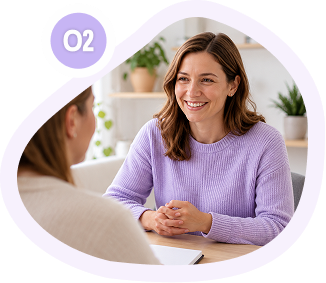
You tell me what is happening. I tell you honestly whether I think I can help, and whether you actually need me. Some families leave this call with one small change and that is enough.
Full sleep assessment
We look at the whole picture. Feeding, naps, the sleep environment, your baby’s temperament, medical history, what you have already tried, and what your family can realistically sustain.
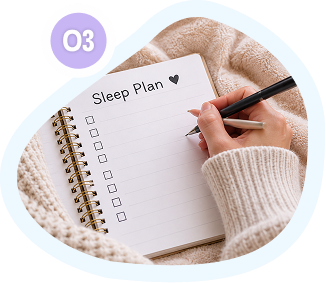
Your personalised plan.
Written for your baby, not copied from a template. It explains what to do, why it works and what to expect, so you are not guessing.
Support while you do it
This is the part most people need. You get ongoing contact during the plan, so when night four goes sideways you are not on your own deciding whether to abandon it.
Sleep Support Packages
Four packages, so you only pay for the level of support you actually need. Most families know which one fits after the free call. If you start with a smaller package and find you want more contact, you can add it on at any point rather than buying again.
Moonbeam
£149
For families who mostly need clarity and a plan to follow themselves
Twilight
£249
The full plan with support through the first stretch
Starlight
£299
Most chosen. Full plan with two weeks of daily contact
Moonlight
£349
For complex cases, or when you want someone alongside you the whole way
- Every Package Includes
- A full sleep assessment, including analysis of your sleep log
- A personalised sleep plan written for your child’s age, needs and your family’s goals
- An explanation of why each step is there, so you are not following instructions blindly
- Safer sleep guidance in line with current Lullaby Trust and NHS advice
- Specialist SEND support where your child has complex or additional needs The option to add further support at any point
-
Additional Support,
Add On At Any Time
- One week of online and text support
- Two weeks of online and text support with a phone call
- An additional daytime phone call
- An additional evening or weekend phone call
What this is not
It is not cry it out. It is not a rigid schedule you have to build your life around. It is not a promise that your baby will sleep twelve hours by Friday, because no honest person can promise that.
What I can tell you is that most families who work with me stop feeling like they are failing, because they finally understand what is happening and have a plan that fits them.
Is my baby’s sleep actually a problem?
Often it is not, and part of what I do is tell you so. Night waking in the first year is normal and expected. What is worth looking at is when:
- You are no longer safe to drive or work
- Your own mental health is suffering
- Feeding is becoming difficult
- The way you are getting your baby to sleep is not safe
- Something has changed suddenly and you do not know why
If any of those sound like you, book the free call.
Frequently Asked Questions
At what age can I start getting baby sleep support?
From birth. In the early weeks the work is about safer sleep, feeding and realistic expectations rather than changing anything. From around four to six months we can do more.
Will you make me stop breastfeeding at night?
No. Night feeding and better sleep are not mutually exclusive, and any decision about feeding is yours.
Do you use controlled crying?
No. I do not use methods that involve leaving a baby to cry alone.
Is co-sleeping safe?
Co-sleeping carries risks that change depending on your circumstances, and some situations make it considerably more dangerous. Rather than giving you a yes or no, I will go through your specific situation with you against The Lullaby Trust’s co-sleeping guidance so you can make an informed decision.
How long does it take?
It depends on your baby and on what is causing the problem. Most plans run over two to three weeks of support. I will give you a realistic answer on the free call, not an optimistic one.
Do you work with families outside my area?
Yes. Most of my work is done remotely, so where you live is not a barrier.